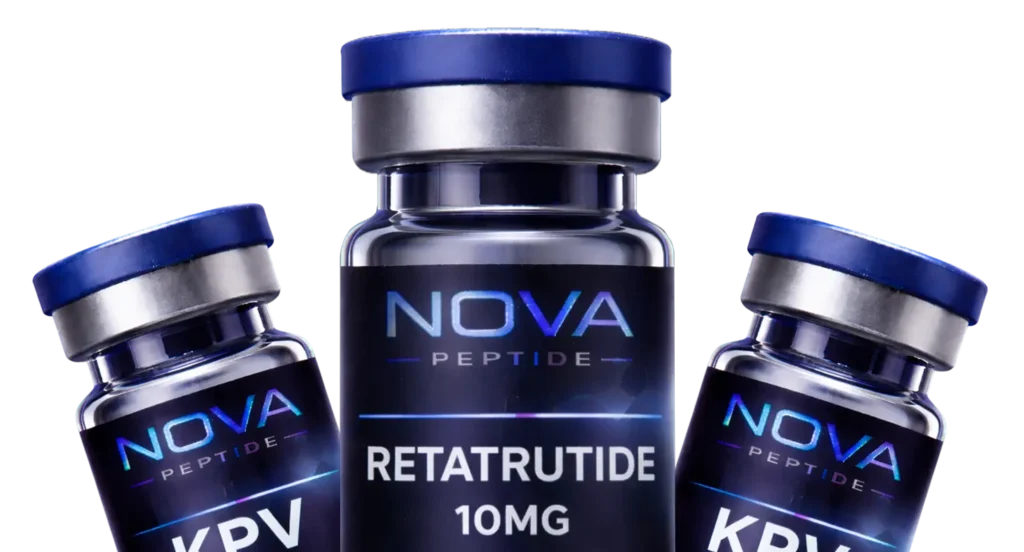


The demand for research peptides in the UK has grown rapidly in recent years, driven by advances in biotechnology, regenerative research, and academic exploration in fields like Molecular Biology and Biochemistry. But with that growth comes a crowded market—making it harder to separate high-quality, legitimate suppliers from unreliable ones.
If you’re planning to buy research peptides in the UK, here’s how to do it smartly, safely, and responsibly in 2026.
1. Understand What Research Peptides Are (and Aren’t)
Research peptides are short chains of amino acids used strictly for laboratory and scientific purposes. They are not approved medicines and are not intended for human consumption.
If you’re new to the space, it’s worth brushing up on the fundamentals of peptide science. A solid academic overview can be found via University of Cambridge’s peptide research page here:
https://www-spring.ch.cam.ac.uk/research/peptides.shtml
This helps you stay grounded in real science—not marketing hype.
2. Buy Only from Reputable UK-Based Suppliers
One of the biggest mistakes buyers make is choosing unknown or unverified vendors. In the UK, always prioritize suppliers that:
- Clearly label products for research use only
- Provide batch information and transparency
- Have a consistent online presence and support
For a curated selection of research-grade compounds, you can explore:
https://www.novapeptide.co.uk/shop-peptides/
A well-structured store with clear product categorization is usually a good sign of professionalism and legitimacy.
3. Check Product Quality & Testing Standards
Quality is everything when it comes to peptides. Look for:
- Third-party testing (COA – Certificate of Analysis)
- High purity levels (often 98%+)
- Proper storage and packaging methods
Low-quality peptides can compromise research results, so cutting corners here isn’t worth it.
4. Understand UK Legal & Compliance Considerations
The UK allows the sale of peptides for research purposes, but strict guidelines apply:
- Products must not be marketed for human use
- Buyers should use them strictly in a research context
- Misuse can lead to regulatory issues
Staying compliant protects both your work and your credibility.
5. Evaluate Website Transparency & User Experience
This might sound like a small detail—but it’s actually huge.
A reliable supplier typically has:
- Clean, professional website design
- Clear product descriptions
- Easy navigation and secure checkout
If a website feels rushed, unclear, or sketchy—it probably is.
6. Avoid Unrealistic Claims & “Too Good to Be True” Deals
If a supplier promises miracle results or offers extremely low prices compared to the market, that’s a red flag.
Research peptides are specialized compounds—pricing reflects quality, synthesis, and handling. Cheap often means compromised.
7. Consider Related Product Ecosystems
Some platforms also offer complementary research-related products alongside peptides, helping create a more complete browsing experience for users. For example, you can explore both research compounds and related items here:
👉 https://www.novapeptide.co.uk/shop-peptides/
Alongside that, you’ll also find additional product categories such as disposables and supporting items here:
👉 https://www.novapeptide.co.uk/shop-disposables/
Final Thoughts
Buying research peptides in the UK isn’t just about clicking “add to cart.” It’s about making informed decisions backed by science, compliance, and quality assurance.
Stick to trusted suppliers, understand what you’re purchasing, and always approach peptides from a research-first mindset. That’s how you stay ahead—and avoid costly mistakes—in 2026.