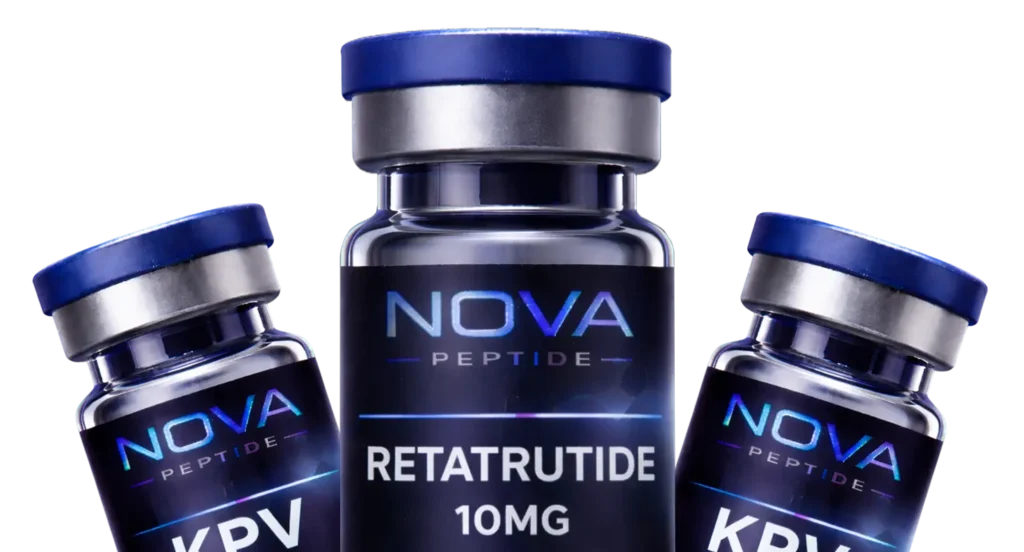


Peptides: Good or Bad? The Real Answer Explained
Peptides are getting a lot of attention lately in science, health, and even fitness conversations. Some people call them “game-changing,” others think they’re risky or overrated. So what’s the truth?
The real answer is simple: peptides are neither strictly good nor bad — it depends on how they’re used, where they come from, and in what context.
Let’s break it down in a clear, no-confusion way.
What Are Peptides?
Peptides are short chains of amino acids, which are the building blocks of proteins. Your body naturally produces them all the time, and they help with tons of biological functions like:
-
Cell communication
-
Tissue signaling
-
Hormone activity
-
Repair and recovery processes
They’re heavily studied in fields like Biochemistry and Molecular Biology because they play a key role in how the body functions at a microscopic level.
Why Peptides Are Considered “Good”
Peptides have a strong reputation in research because they can help scientists understand how the body heals and regulates itself.
Here’s why they’re viewed positively:
-
They exist naturally in the human body
-
They are widely used in scientific research
-
They help explore potential medical and therapeutic applications
-
They may contribute to future innovations in medicine
In simple terms: peptides are useful tools for understanding biology and developing new treatments in controlled environments.
Why Some People Think Peptides Are “Bad”
On the flip side, peptides can get a bad reputation for a few reasons:
1. Not all peptides are approved for human use
Many peptides are strictly for laboratory research only and are not regulated for general consumption.
2. Quality varies outside controlled labs
If sourced from unreliable places, purity and safety can’t always be guaranteed.
3. Misuse and misinformation
A lot of hype online leads to unrealistic expectations or improper usage.
4. Legal restrictions
Different countries have different rules on how peptides can be sold and used.
So the “bad” label usually comes from misuse, not the actual science behind them.
The Key Thing People Miss
Peptides themselves are not the problem. The real issue is:
 How they’re used Whether they’re properly regulated Where they’re sourced from
In proper research environments, peptides are valuable scientific tools. Outside of that, things can get misunderstood fast.
So… Are Peptides Good or Bad?
If we keep it real:
-
In science → very useful and important
-
In uncontrolled use → can be risky or misunderstood
-
In nature → completely normal biological compounds
So peptides aren’t “good” or “bad” — they’re just powerful biological tools that depend on responsible use and proper understanding.
Final Thoughts
Peptides sit in a weird space where science, hype, and misinformation overlap. That’s why opinions are so divided.
But once you strip everything down, the truth is simple: they’re natural, widely studied, and only as safe or risky as the way they’re handled.
If you’re exploring peptides, the smartest move is always to stay informed, question claims, and understand the science behind them — not just the marketing around them.